Carbon build-up in direct-injection engines: the intake, the EGR valve and how to clean them
2026-11-23
Gasoline direct-injection (GDI) engines spread quickly thanks to their power and economy, but the design brought a problem that used to be rare: heavy carbon build-up on intake valves and air passages.
Why does it happen?
In conventional port-injection engines, fuel is sprayed into the intake port before the valve and constantly washes it. In direct injection, fuel goes straight into the combustion chamber and never touches the intake valves — while deposit sources still reach them:
The crankcase ventilation system returns oil vapour to the intake, where it sticks to hot valves and bakes into carbon.
Exhaust gas recirculation returns soot-laden gas to the intake; mixed with oil vapour it forms a sticky layer.
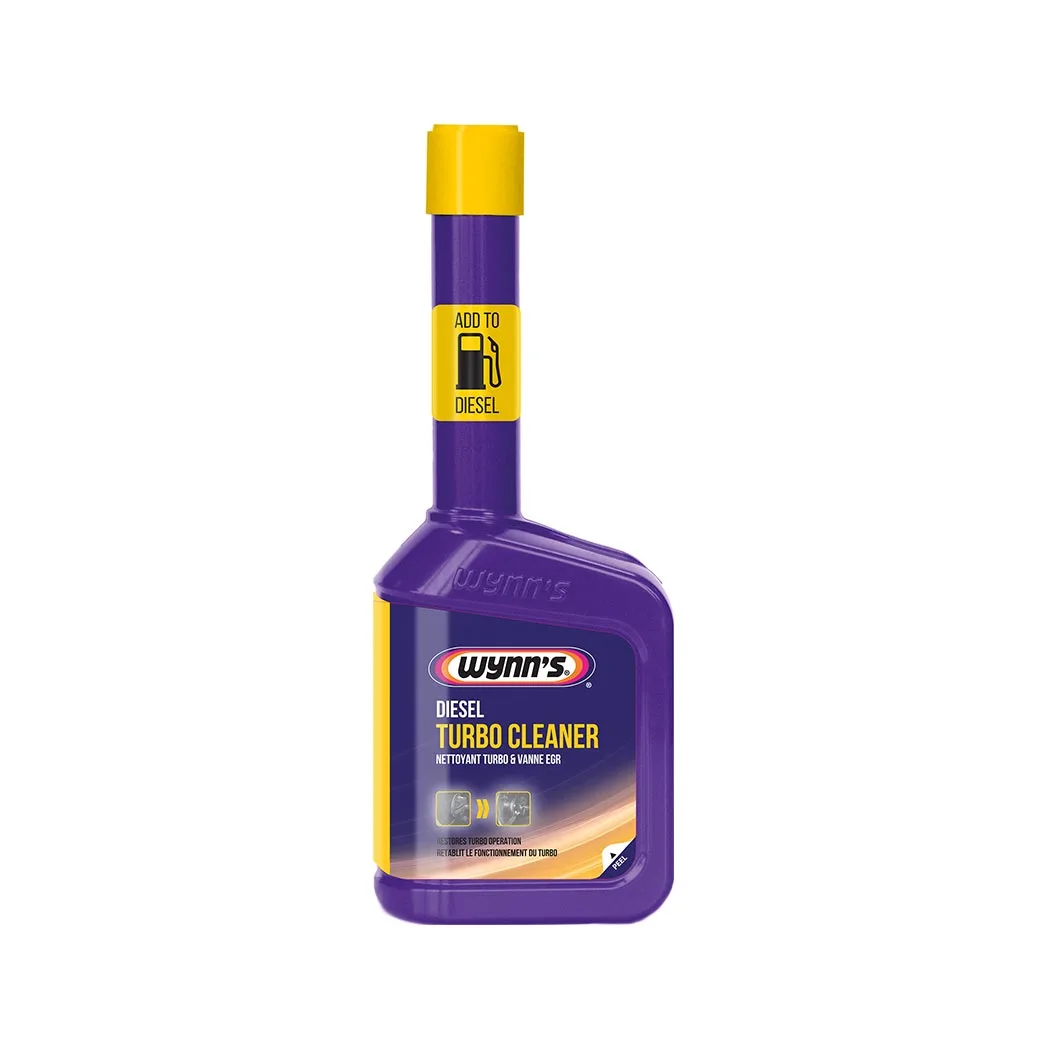
Diesels suffer something similar: EGR soot mixes with oil vapour, clogging the intake and the EGR valve itself, which can stick.
Symptoms
- Rough idle and misfires, especially from cold.
- Noticeable loss of power and acceleration.
- Higher fuel consumption.
- Engine light with misfire, airflow or EGR fault codes.
Cleaning methods
| Method | When |
|---|---|
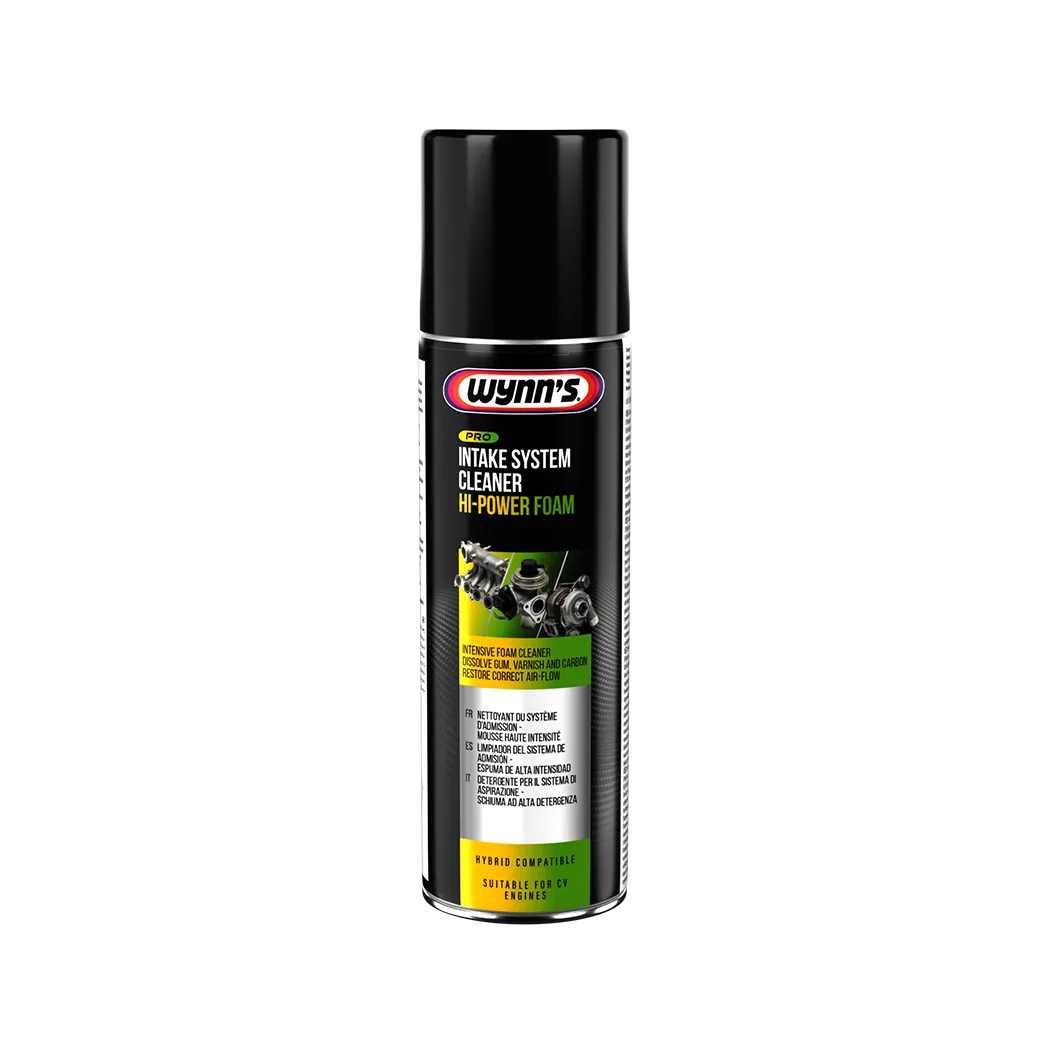
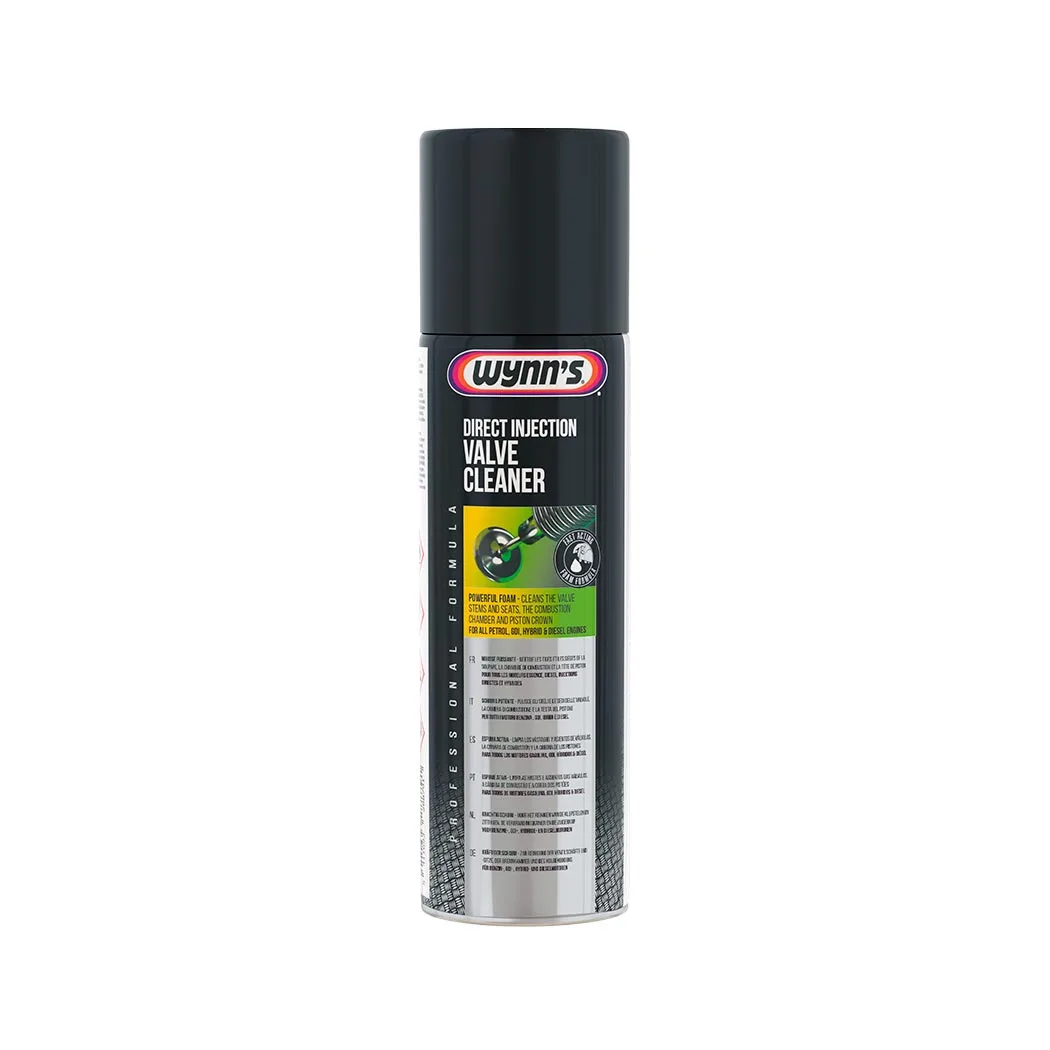
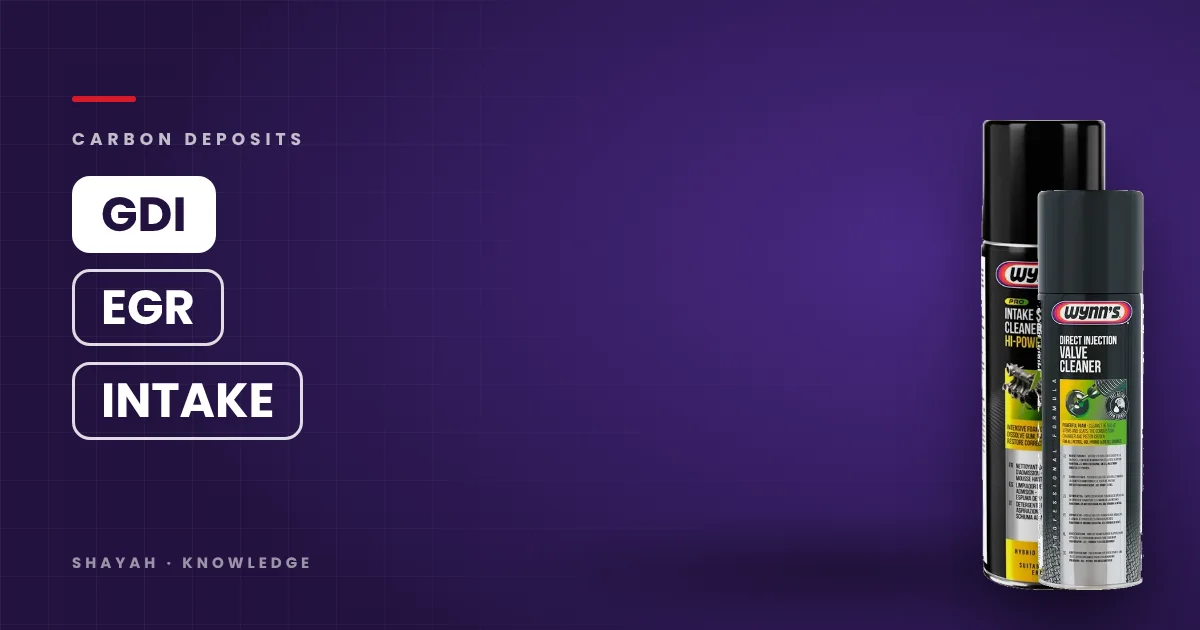
| Foam or spray cleaner introduced through the intake | Periodic or curative cleaning of moderate deposits without dismantling, applied by a technician following the product instructions |
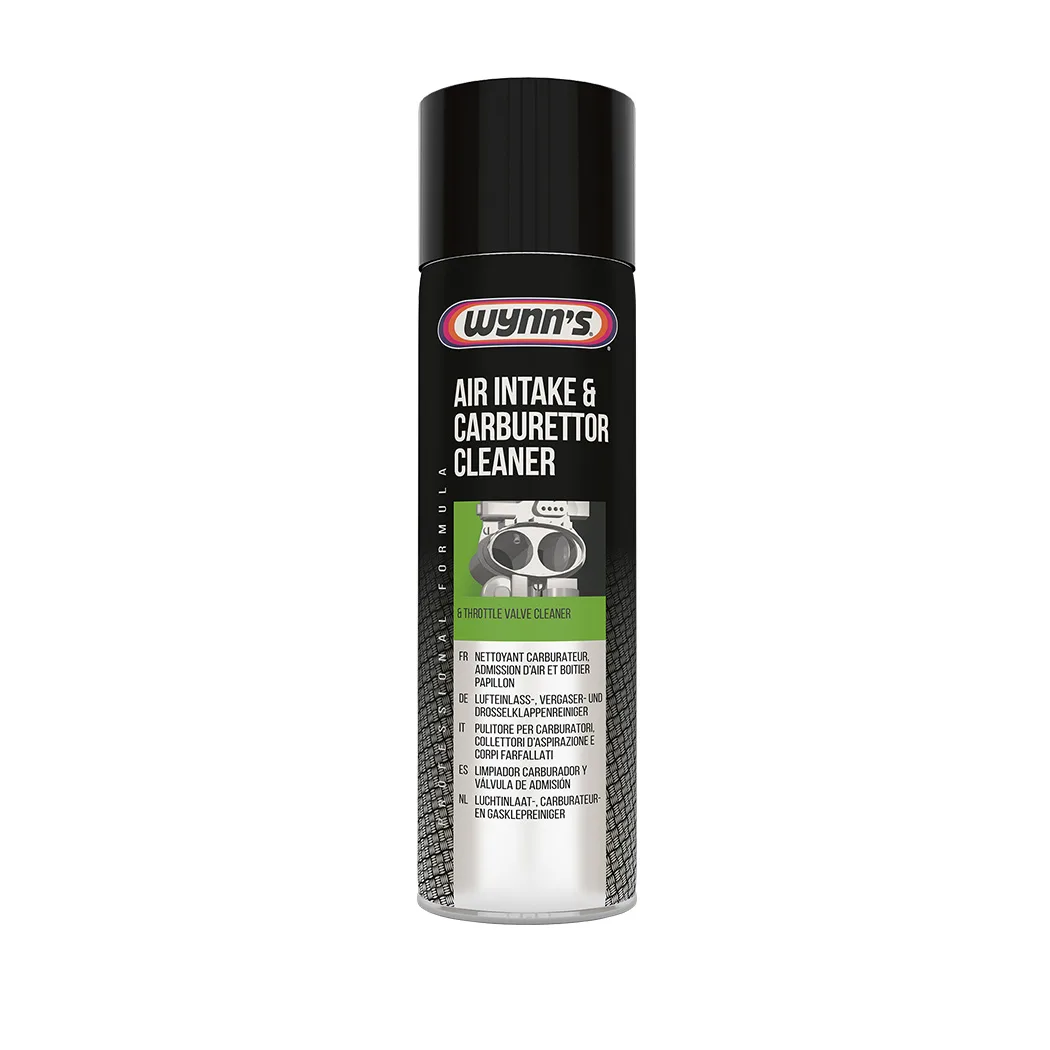
| Throttle body and EGR spray cleaner | When the throttle body is dirty and idle is rough |
| Mechanical cleaning (dismantling or walnut blasting) | For very heavy deposits that cleaners can’t remove |
How to slow carbon build-up
- Use oil with the current specification required — quality oils are less volatile and produce less vapour.
- Change the oil on time.
- Don’t rely only on short trips; give the engine a longer motorway run from time to time.
- Include intake cleaning in routine maintenance, especially for GDI and modern diesel engines.