How to choose the right filter for your car — and spot a good one
2026-11-25
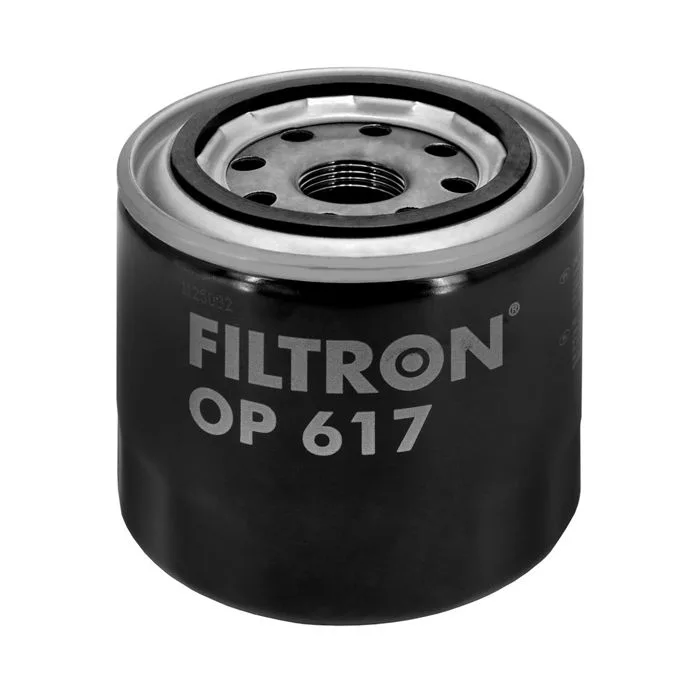
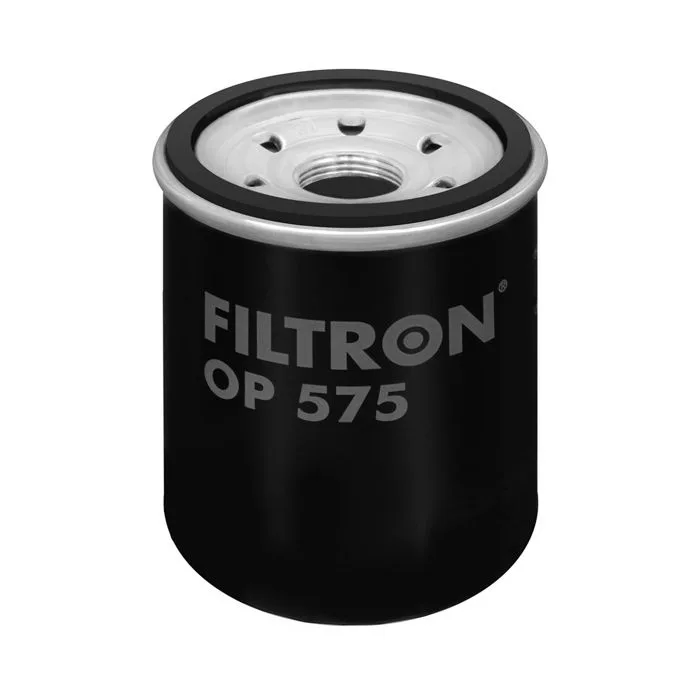
Two filters can look identical from outside, but the real difference is inside — in the paper, the valves and the seal. A wrong filter, even if it screws on, can leak, filter poorly or starve the engine of oil.
First: how to find the right filter
- Original part number (OE): printed on the old filter or in the maker’s catalogue — the most accurate way to match.
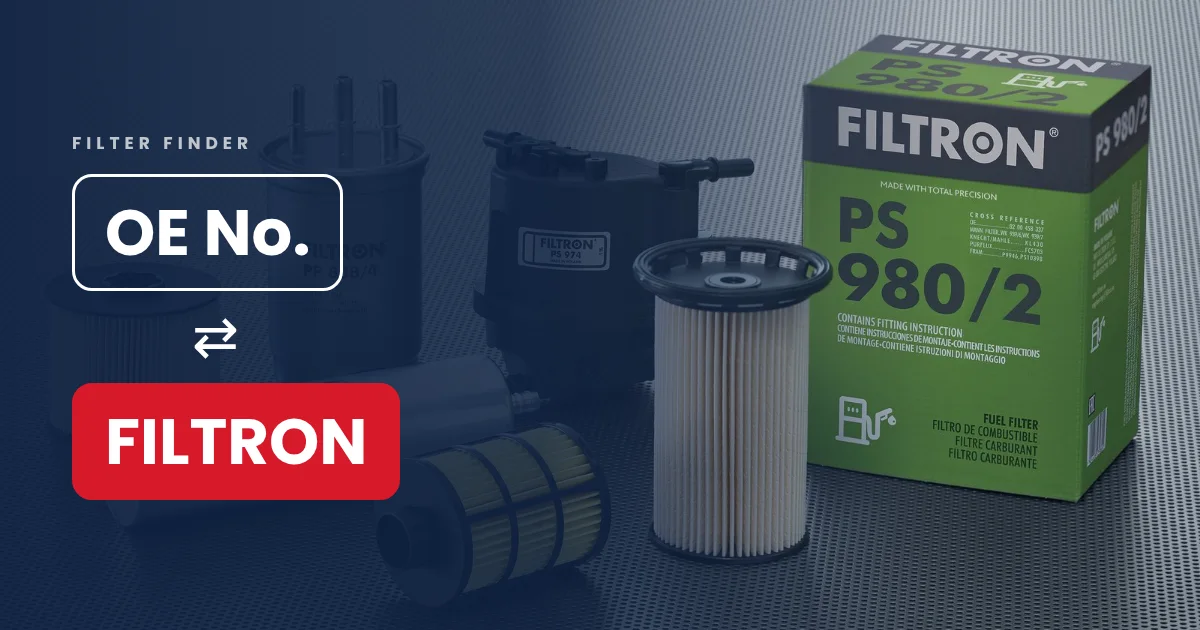
- Cross-reference tables: every filter brand publishes tables matching OE numbers to its own, such as MANN to Filtron.
- Full vehicle data: make, model, year and specifically the engine — the same model can come with several engines, each with a different filter.
Second: what makes a good filter
Paper with engineered pores balances trapping fine particles with enough flow; a large pleated area means more dirt-holding capacity.
Silicone is preferred, as it stays flexible with heat for longer and stops the filter draining when the engine is off.
Must open at exactly the pressure the engine maker specifies — too early lets unfiltered oil through, too late restricts oil flow.
A heat- and oil-resistant rubber seal prevents leaks, and a strong metal can withstands system pressure and pulses.
The danger of counterfeit filters
A fake filter may have poor paper that tears under pressure, valves that don’t work, or a seal that cracks with heat — letting dirt into the engine, leaking oil or delaying oil at start-up. A small price saving isn’t worth the risk.
Third: fitting tips
- Spin-on oil filter: lightly oil the seal, screw it on by hand until the seal touches, then about three-quarters of a turn more — or as printed on the filter. Don’t overtighten.
- Cartridge (element) oil filter: replace the supplied O-rings and tighten the cap to the specified torque.
- Diesel fuel filter: the system may need priming and bleeding after replacement, per the maker’s procedure.
- After starting: check for leaks around the filter and re-check the oil level.
Bottom line
The right filter matches your engine’s original part number and comes from a trusted manufacturer that meets the car maker’s specifications. With Filtron you get European filters of original-equipment quality — and we’ll help you find the right number for your car.